Help 10 children in Puerto Rico receive the life-changing support of a trained service dog.
For some children, daily life can include sensory overwhelm, panic, elopement risk, medical instability, mobility challenges, hearing-related needs, or moments when the entire family has to stay on alert. Caribbean Canine Academy is launching a nonprofit pilot to train and place 10 service dogs with 10 children in Puerto Rico — with professional training, family education, safety standards, follow-up support, and responsible placement.
Your donation helps turn one child's need into a trained support pathway — one dog, one family, one future at a time.
Puerto Rico nonprofit · Hacienda §1101.01 recognized · IRS 501(c)(3) · Professional service dog training · Family handler education
The sponsorship packet includes the program overview, sponsorship levels, nonprofit documentation summary, impact goals, and next steps for sponsors or advisors.
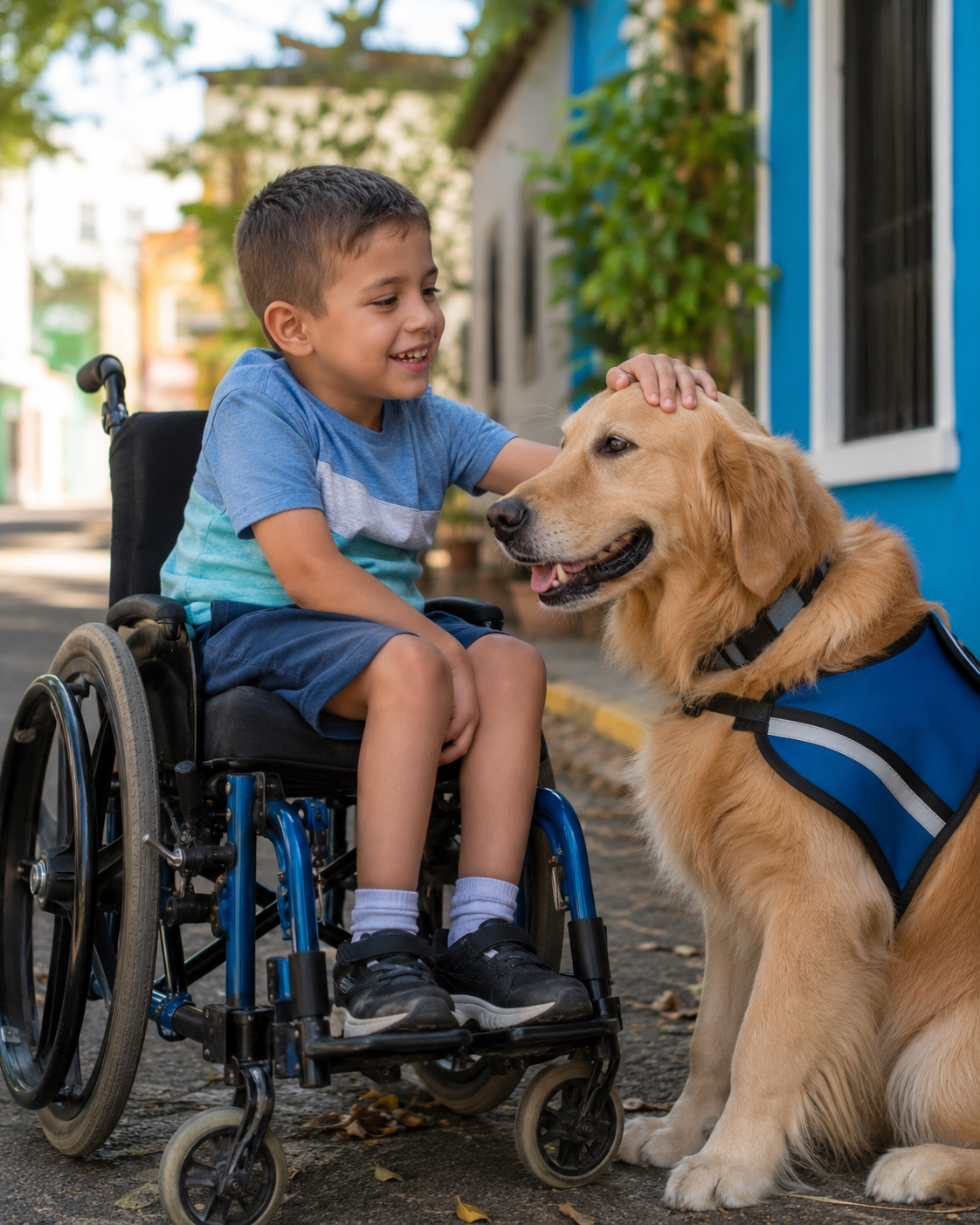
This is not a dog training project. It is a structured service dog and family-support initiative designed to create measurable impact for children and families in Puerto Rico.
Imagine One Family
Imagine a parent who cannot fully relax in public because one moment of panic, disorientation, elopement, or medical instability could become a crisis. Imagine a child who wants to participate in life, but whose nervous system, body, or condition makes ordinary moments feel overwhelming.
Now imagine a trained service dog that can help interrupt distress, provide grounding, support transitions, alert a caregiver, retrieve needed items, or assist with disability-related tasks when appropriate.
That is what your gift helps make possible.
Why Puerto Rico needs this now.
8-year-old children in Puerto Rico were identified with autism spectrum disorder in 2022.
of minors ages 0–17 in Puerto Rico lived below the poverty level in 2024.
of Puerto Rico's child-aged population lived with some type of disability in 2021.
estimated cost to responsibly support one child/dog team through selection, training, family education, placement preparation, and follow-up.
Sources: Puerto Rico Department of Health, Instituto del Desarrollo de la Juventud, CentroPR, Caribbean Canine Academy program estimate.
Help fund the 10 Service Dogs for 10 Children pilot — every contribution moves a child closer to their service dog.
Donate NowYour gift creates a full support pathway.
This is not simply a dog training project.
Your donation helps create a full support pathway for a child and family in Puerto Rico — from dog selection and temperament evaluation to professional training, task development, family education, placement preparation, follow-up support, and impact documentation.
A service dog must be more than loving. The dog must be stable, healthy, task-trained, safe in public when appropriate, and matched responsibly to the child's needs and the family's capacity.
You do not have to sponsor a full dog to change a life.
Every gift helps build the pathway. Whether you give $25, $250, $5,000, or sponsor a full child/dog team, your donation helps move this mission from vision to reality.
Helps fund training materials, enrichment tools, family education resources, or program supplies.
Helps prepare families to understand service dog handling, routines, boundaries, and responsible follow-through.
Helps support evaluation, training sessions, task development, care needs, or program documentation.
Helps fund obedience foundations, public-environment preparation, equipment, or early training milestones.
Helps support veterinary requirements, specialized training, family coaching, or follow-up support.
Helps move one future child/dog team through a meaningful part of the preparation pathway.
Helps fund a significant portion of one service dog candidate's evaluation, training, care, and family preparation.
Helps fund one complete service dog pathway, including dog selection or preparation, training, task work, family education, equipment, follow-up, and documentation.
All gifts are meaningful. Donations are pooled into the Service Dog Partners fund unless otherwise designated, allowing Caribbean Canine Academy to responsibly allocate resources where they are most needed.
Every Child. Every Veteran. Every Family Deserves the Opportunity to Live with Greater Independence.
A service dog is more than a companion.
for a child with autism.
for a veteran living with PTSD.
for someone with a physical disability.
for a family who has spent years searching for hope.
At Caribbean Canine Academy, we are building Puerto Rico's first sustainable service dog program, training exceptional dogs that transform lives through purpose, skill, and partnership.
Every donation helps provide the care, training, and support required to prepare a service dog and match that dog with the person whose life it can change.
You are not simply funding a dog.
You are investing in independence, dignity, and hope.
Together, we can build a future where no one is denied a life-changing service dog because of financial barriers.
Change a life today.
Some children need more than companionship. They need task-trained support.
The children served by this pilot may be living with conditions that affect safety, regulation, independence, medical stability, mobility, hearing-related needs, or family functioning.
For these families, a service dog may support daily life through trained tasks such as grounding, interruption of distress behaviors, transition support, caregiver alerting, retrieval of needed items, medical response when appropriate, mobility-related support, or hearing-related response.
Every child, family, and dog will be evaluated carefully. The goal is responsible placement, meaningful task work, and long-term support.
- Safety
- Regulation
- Independence
- Medical stability
- Mobility support
- Hearing-related support
- Family functioning
Families need support. Service dog access is limited. Puerto Rico needs a model.
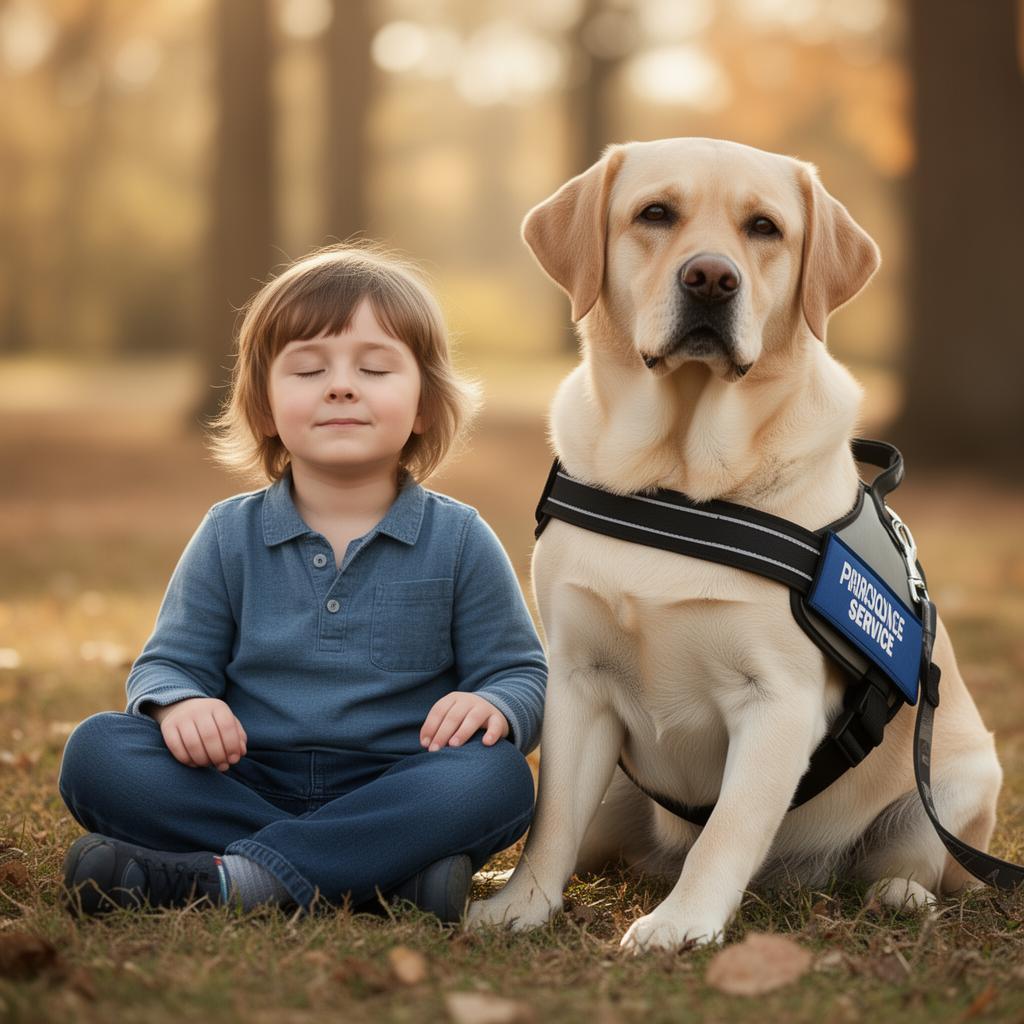
Children and families served in Phase One
Estimated full training and placement pathway depending on dog and family needs
Estimated sponsorship needed per child/dog team
Final budget will depend on dog selection, training intensity, veterinary needs, equipment, follow-up, and family support requirements.
A structured pilot with lasting impact.
Family Application & Screening
Families apply and are evaluated for readiness, need, safety, and appropriate fit.
Dog Selection or Suitability Evaluation
Each dog must meet temperament, health, stability, and trainability requirements.
Foundation Training
Obedience, manners, handler focus, impulse control, calm behavior, and environmental stability.
Task Training
Tasks may include behavioral regulation support, sensory regulation support, nervous system regulation support, interruption of distress or panic behaviors, grounding, deep pressure when appropriate, medical alert or response when appropriate, seeking help from a parent/caregiver during a crisis or seizure, retrieval of medication or supplies, mobility-related assistance, hearing-related response, transition support, and other disability-related tasks based on the child's needs and the dog's suitability.
Public Access Preparation
When appropriate, dogs are prepared for safe, calm behavior in real-world environments.
Family Handler Education
Families learn how to communicate, maintain training, protect the dog's role, and handle daily routines responsibly.
Placement & Follow-Up
The team receives follow-up support, progress check-ins, and continued guidance.
Sponsor Impact Reporting
Sponsors receive ethical updates, program milestones, and impact reporting while protecting family privacy.
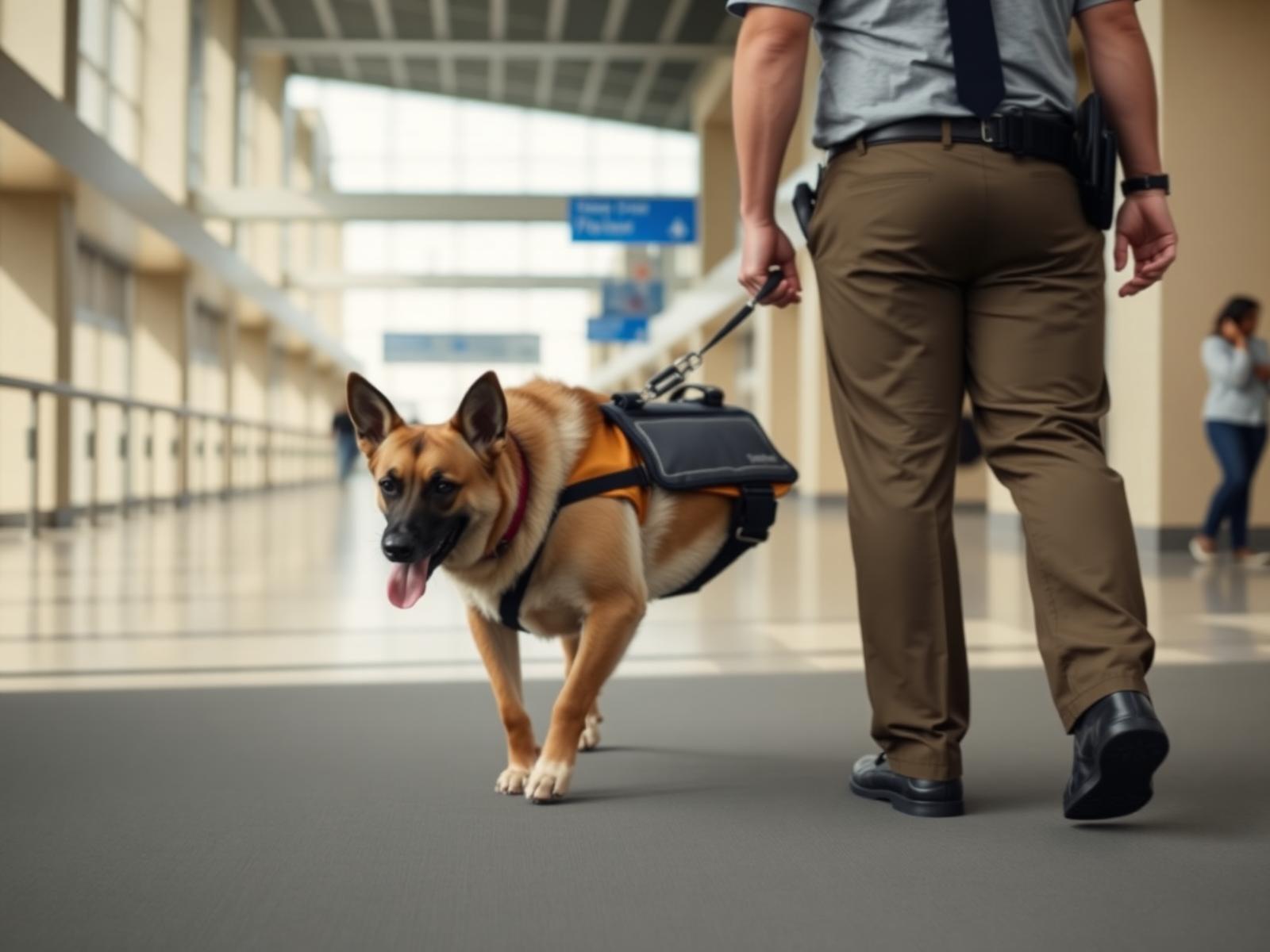
Every sponsored dog is a full support pathway.
- Cost of acquisition, selection, or preparation of the appropriate dog for each child/family
- Dog suitability and temperament evaluation
- Veterinary screening and wellness requirements
- Training plan and progress benchmarks
- Foundational obedience
- Disability-related task training based on each child's needs and the dog's suitability
- Public access preparation when appropriate
- Family handler education
- Equipment and training materials
- Follow-up sessions
- Program documentation
- Impact reporting
- Graduation / placement recognition
Service dog training and placement decisions depend on dog suitability, family readiness, professional evaluation, safety considerations, and the individual needs of the child. This program does not guarantee medical outcomes and does not replace clinical care.
Led by Cheryl DeLoach and Caribbean Canine Academy.
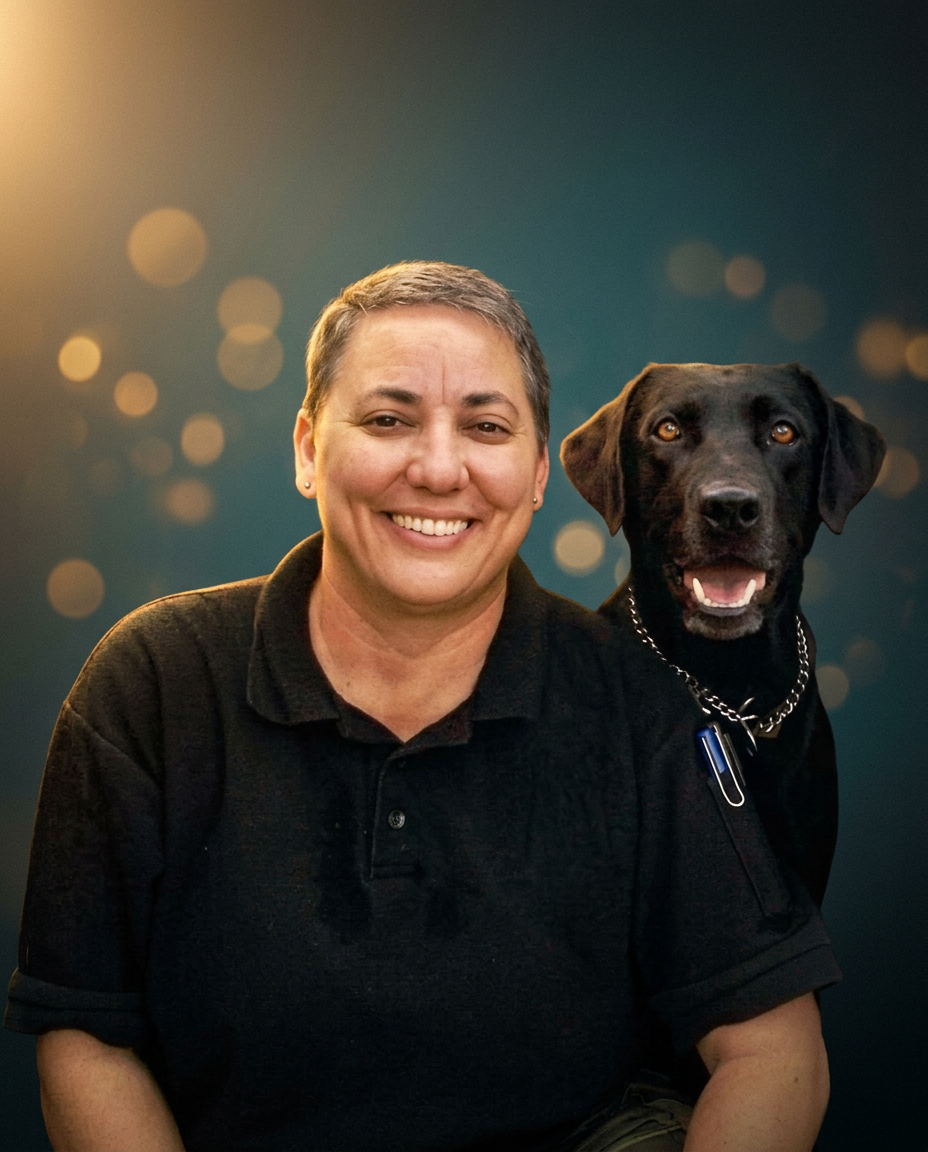
Cheryl DeLoach is a respected dog trainer and trainer of professional dog trainers in Puerto Rico. She has experience training service dogs and has worked for years with dogs, families, and students of canine training. Her work integrates practical obedience, responsible handling, clear communication, regulation, safety, and human education.
Cheryl also has specialized scent-detection experience, including explosives detection work. That background strengthens her ability to evaluate dogs, develop structured training plans, and understand how canine skills can support functional tasks, safety, alerting, and responsible service dog preparation.
The professional capacity and experience already exist. What this sponsorship makes possible is expanding access for families who otherwise could not afford a selection, training, preparation, and follow-up process of this magnitude.
A local program designed for Puerto Rican families, culture, access, and community needs.
Led by an established academy with experience training dogs, owners, and dog trainers.
The program includes handler education so the family can maintain the dog's work responsibly.
The process prioritizes dog suitability, child safety, task relevance, and responsible placement.
The children's pilot is the first phase of a larger Puerto Rico service dog and mental health support initiative.
One founding sponsor can launch the pilot. Ten sponsors can each change one life.
Caribbean Canine Academy is a Puerto Rico nonprofit recognized by Hacienda under Section 1101.01 and recognized by the IRS as a 501(c)(3) tax-exempt charitable organization.
Founding Program Sponsor
Includes naming recognition, logo placement, media recognition, social impact updates, sponsor story features, program reporting, and participation in the final placement/graduation event.
One Child / One Dog Sponsor
Includes recognition, progress updates, and an impact story when appropriate and with family consent.
Support Partner
Supports veterinary care, food, equipment, training supplies, transportation, family education, or follow-up support.
Caribbean Canine Academy can provide nonprofit documentation, Hacienda Section 1101.01 recognition information, IRS 501(c)(3) recognition information, contribution instructions, and donor/sponsor acknowledgment documentation upon request.
Contributions may be tax-deductible to the extent allowed by law. Donors and sponsors should consult their tax advisor to confirm the treatment applicable to their specific situation.
General Contributions
Not ready to sponsor a full service dog team? You can still help fund dog selection, training, veterinary requirements, equipment, family education, follow-up support, and program documentation through a general contribution to the Service Dog Partners fund.
For full team sponsorships, corporate sponsorships, or Act 60-related contributions, please request the sponsorship package or contact us directly so we can provide the appropriate documentation and next steps.
Caribbean Canine Academy is a Puerto Rico nonprofit recognized by Hacienda under Section 1101.01 and recognized by the IRS as a 501(c)(3) tax-exempt charitable organization. Contributions may be tax-deductible to the extent allowed by law. Donors should consult their tax advisor.
Prefer to give directly? Make a contribution of any amount toward the pilot.
Donate NowAct 60 Donor Information
Caribbean Canine Academy is a Puerto Rico nonprofit recognized by Hacienda under Section 1101.01 and recognized by the IRS as a 501(c)(3) tax-exempt charitable organization. Contributions may qualify for the general nonprofit portion of Act 60 charitable contribution requirements. Donors should consult their tax advisor, CPA, or Act 60 compliance attorney to confirm applicability to their specific decree and annual compliance filing.
Built with care for the child, the family, the dog, and the community.
Service dogs are not cures, and no placement can responsibly promise a specific medical or therapeutic outcome. But when the right dog, the right child, the right family, and the right training come together, a service dog can become a powerful part of a child's daily support system.
Placement depends on dog suitability, child and family needs, safety, family readiness, training progress, and professional evaluation. A service dog does not replace medical, psychological, psychiatric, occupational therapy, or clinical care.
Every placement must be based on the child's needs, safety, and family readiness.
The emotional and physical welfare of the dog is central to the program.
Tasks must be relevant, humane, and connected to the child's qualifying needs.
Families must learn how to handle, protect, and maintain the dog's training.
Sponsors receive responsible program updates and impact summaries.
The goal is to build a responsible model for Puerto Rico that creates meaningful impact beyond a single moment of visibility.
What we will track.
Donors and sponsors deserve to know what their support makes possible. Caribbean Canine Academy will track meaningful progress throughout the pilot.
- Family confidence and caregiver stress reduction
- Child behavioral, sensory, and nervous system regulation support
- Safer transitions at home, school, and public settings
- Increased participation in family and community outings
- Sleep, routine, and daily-structure support when relevant
- Reduction of safety risks such as elopement, panic, disorientation, or crisis escalation when applicable
- Handler skill development and family follow-through
- Service dog training milestones and task reliability
- Post-placement adjustment and follow-up progress
- Family quality-of-life feedback
Your gift funds training, veterinary care, family education, and follow-up for each child/dog team.
Donate NowStarting with children. Building a broader service dog access model for Puerto Rico.
The first phase focuses on training and placing 10 service dogs with children in Puerto Rico whose conditions significantly affect daily functioning, safety, regulation, independence, or family stability.
The larger vision is to expand beyond the first 10 children and build a sustainable service dog access model for Puerto Rico — one that can eventually support more children, families, adults with disabilities or qualifying support needs, veterans, trauma survivors, and individuals with medical-alert, mobility-related, hearing-related, psychiatric, or other service-dog needs.
- Phase 110 Service Dogs for 10 Children
Launch the first sponsored pilot serving children in Puerto Rico whose conditions affect safety, regulation, independence, medical stability, mobility, hearing-related needs, or family functioning.
- Phase 2Children's Service Dog Scholarship Expansion
Use the results of the first pilot to create additional sponsored placements for children and families in Puerto Rico who need responsible, task-trained service dog support.
- Phase 3Adult & Veteran Service Dog Access
Expand the model beyond children to support adults with disabilities or qualifying support needs, veterans, trauma survivors, and individuals with medical-alert, mobility-related, hearing-related, psychiatric, or other service-dog needs.
- Phase 4Sustainable and Replicable Sponsorship Model
Create a long-term model that can be sustained through corporate sponsors, individual donors, grants, Act 60 donors, and community partners, and eventually replicated across Puerto Rico, the Caribbean, and beyond.
This work needs the right circle around it.
Caribbean Canine Academy welcomes mission-aligned supporters who want to help expand awareness, visibility, resources, sponsorship opportunities, and responsible service dog access in Puerto Rico.
- Corporate sponsors
- Foundations and grantmakers
- Individual donors
- Act 60 donors
- Community leaders
- Media contacts
- Disability advocates
- Pet food and equipment supporters
- Veterinary or professional supporters when appropriate
- Organizations interested in future sponsorship opportunities
Questions donors, sponsors, and families ask first.
Help us begin with the first 10 children.
This pilot starts with 10 service dogs, 10 children, and 10 families in Puerto Rico — but the larger vision is much bigger.
The goal is to build a responsible service dog access model that can grow for children, adults, veterans, trauma survivors, and individuals with medical-alert, mobility-related, psychiatric, hearing-related, and other qualifying needs.
Your gift helps open the door.
Three ways to help launch the pilot.
For companies or foundations interested in funding the full 10-dog pilot.
For businesses, donors, or community leaders who want to fund one team.
For individuals, businesses, media contacts, community leaders, and organizations that want to help expand awareness, visibility, resources, or future sponsorship opportunities.
Prefer to contact us directly? Email caribbeancanineacademy@gmail.com or call/text 787-233-5200.
Need nonprofit documentation? We can share our Puerto Rico nonprofit status, Hacienda Section 1101.01 recognition, and IRS 501(c)(3) tax-exempt recognition information upon request.
We respond to sponsor and partner inquiries within 2 business days.